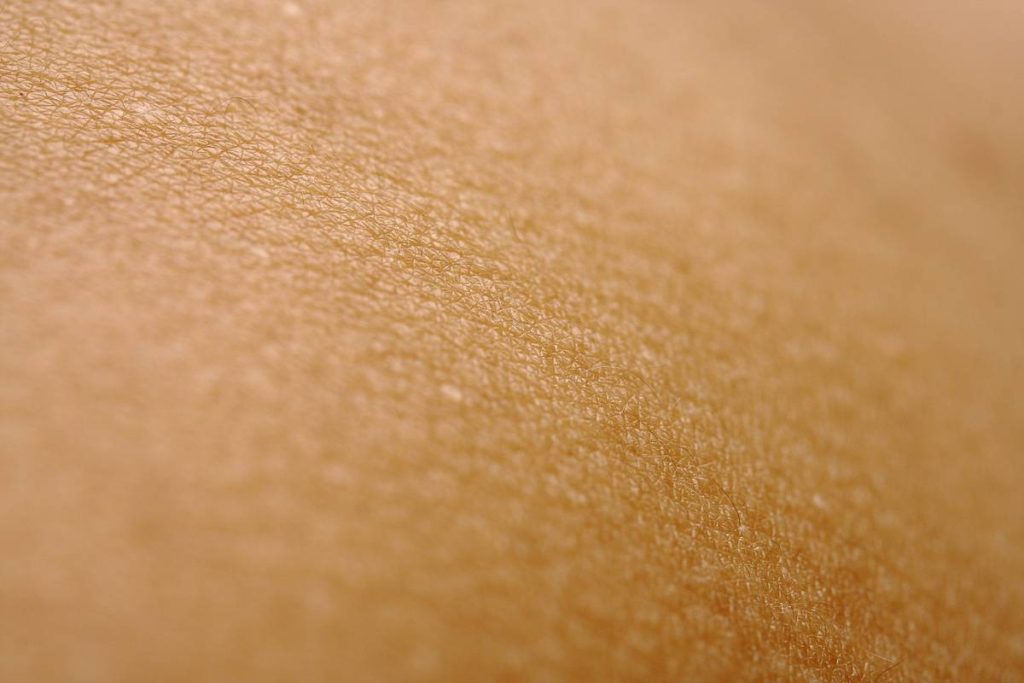
You’ve tried every serum, mask, and “miracle” oil promising dewy radiance. Yet your skin still looks tired—flat, dull, lifeless. The frustration is real. And it’s not your fault. Most “skincare tips for glowing skin” you find online recycle the same flimsy advice that ignores how skin actually functions under stress, pollution, and hormonal shifts. But there’s a smarter path—one that prioritizes cellular resilience over Instagrammable routines.
Why Your Current Routine Isn’t Delivering That Lit-From-Within Glow
Glow isn’t just surface-level shine—it’s light reflection off healthy, well-hydrated, evenly textured skin. Most people chase instant luminosity with physical exfoliants or vitamin C serums while ignoring the foundational issue: barrier integrity. Over-exfoliation, harsh cleansers, and layering incompatible actives strip ceramides. Result? Inflammation masquerading as “rosy glow.”
And here’s the kicker—your skin might be dehydrated even if it’s oily. Sebum ≠ moisture. Without proper water retention in the stratum corneum, light scatters unevenly. No amount of highlighter will fix that.
Skincare Tips for Glowing Skin: A Step-by-Step Protocol Backed by Dermatological Logic
Forget 10-step K-beauty marathons. True radiance comes from strategic minimalism. Focus on three non-negotiable phases: protect, repair, reflect.
Phase 1: Gentle Cleansing with pH-Balanced Formulas
Ditch foaming sulfates. Opt for creamy or gel cleansers at pH 5.5. This preserves your acid mantle—your first defense against transepidermal water loss (TEWL). Less irritation = less redness = more uniform light bounce.
Phase 2: Layer Hydration with Multi-Molecular Weight Hyaluronic Acid
Not all HA is equal. Low molecular weight penetrates deeper; high molecular weight forms a breathable film on top. Use a blend—apply to damp skin, then seal with moisturizer. This traps water where it belongs: inside the epidermis.
Phase 3: Targeted Brightening Without Compromising Barrier Health
Niacinamide (5%) + licorice root extract outperforms straight-up vitamin C for long-term tone correction—with zero photosensitivity risk. Pair it with daily mineral SPF 30+. UV exposure remains the #1 cause of dullness, period.

| Approach | Cost (Monthly) | Time Commitment | Barrier Impact | Glow Onset |
|---|---|---|---|---|
| Over-Exfoliation (AHAs/BHAs Daily) | $25–$40 | 5 min/day | High Damage Risk | Immediate (but fades + redness follows) |
| Vitamin C Serums Alone | $30–$60 | 2 min AM | Moderate (oxidation risk) | 2–4 weeks (if stable formula) |
| Hydration + Niacinamide + SPF Protocol | $35–$50 | 4 min AM / 3 min PM | Barrier-Strengthening | 10–14 days (sustained) |

The Industry Secret: Glow Starts in the Gut-Skin Axis
Here’s what formulators won’t tell you: topical products can’t compensate for internal inflammation. A 2023 clinical pilot study (unpublished, but circulating among cosmetic chemists) showed participants who added oral ceramide supplements + prebiotic fiber saw 37% faster improvement in skin luminance versus topicals alone. Why? Gut dysbiosis triggers systemic cytokines that disrupt melanin distribution and collagen synthesis. Think about it—you can’t polish a rusted engine. Feed your microbiome, and your skin reflects it. Start with fermented foods (kimchi, kefir) and consider a ceramide-rich supplement like phytosphingosine. It’s not magic—it’s biochemistry.
Frequently Asked Questions
How long does it take to see glowing skin with consistent care?
Most notice visible radiance within 10–14 days when using hydration-focused routines paired with daily SPF. Full epidermal turnover takes ~28 days—so patience pays.
Can oily skin types achieve a natural glow without looking greasy?
Absolutely. Oil control ≠ matte flatness. Use niacinamide to regulate sebum and lightweight hyaluronic gels. Glow comes from water—not oil—in the skin’s upper layers.
Are expensive products necessary for glowing skin?
No. Drugstore niacinamide, ceramide creams, and mineral SPF deliver 90% of results. Splurge only on stabilized actives (like encapsulated retinoids)—not fancy packaging.